
What to See in Soller: a Guide to the Town and Valley
Modernism, orange groves and stone streets at the foot of the Serra de Tramuntana. This guide brings together what is worth seeing in Soller, a walking route through the old town and plans for one and two days.
- Municipal population
- ≈ 13,900
- Area
- 42.8 km²
- Centre to the Port
- 3 km
- Es Firó festival
- May
Quick summary
- The heart of Soller is Plaça de sa Constitució, with Sant Bartomeu church and the Banc de Sóller, two modernist façades by Joan Rubió.
- Can Prunera (modernist museum) and the Botanical Garden are the two most recommended indoor visits, a few minutes' walk from the square.
- The old town can be walked in a morning: the square, Carrer de sa Lluna, Can Prunera and the botanical garden.
- Biniaraix and Fornalutx, the best villages in the valley, have their own day-trip guide.
- May is a good month to come: the valley is green and Es Firó, Soller's Moors and Christians festival, takes place.
Updated: 31 October 2026
What to See in Soller at a Glance
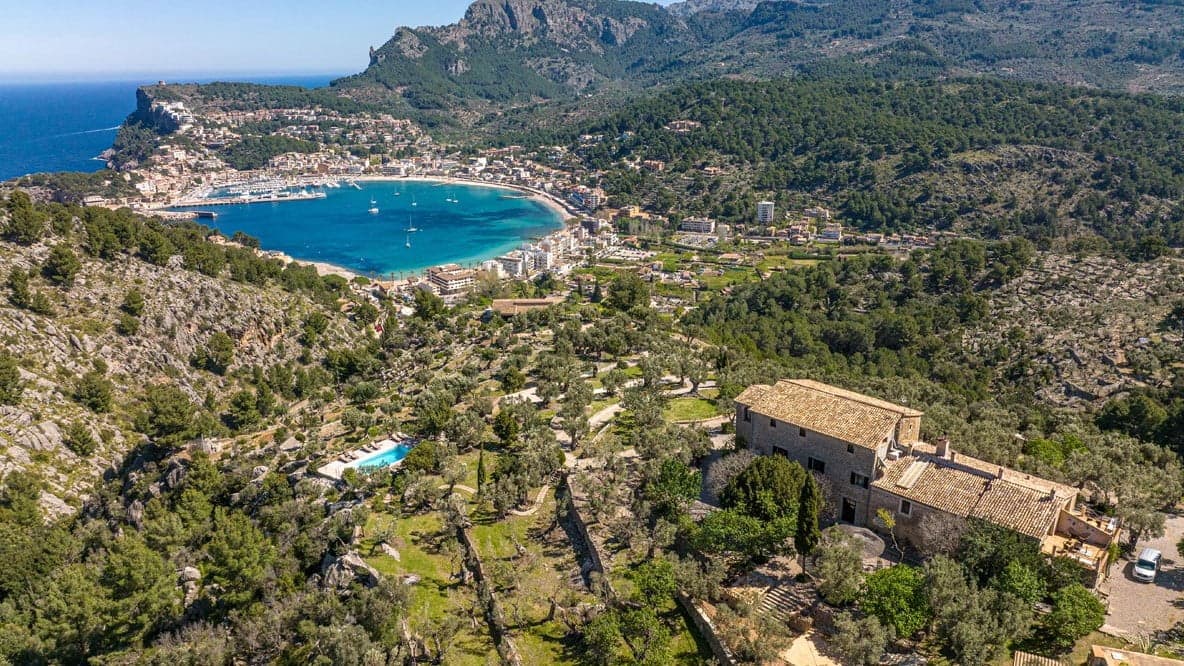
Soller is a valley of citrus groves enclosed by the Serra de Tramuntana, a World Heritage Site, with a small and very compact old town. Almost everything to see in the town is less than 15 minutes' walk from the square. This table summarises the main points; times are approximate.
| Place | Area | Time |
|---|---|---|
| Plaça de sa Constitució | Centre | 20-30 min |
| Església de Sant Bartomeu | Centre | 15-20 min |
| Banc de Sóller (exterior) | Centre | 5-10 min |
| Carrer de sa Lluna | Old town | 20-30 min |
| Can Prunera Museu Modernista | Old town | 1-1.5 h |
| Jardí Botànic and Museu Balear de Ciències Naturals | On the way to the Port | 1.5-2 h |
| Museu de Sóller (Casal de Cultura) | Centre | 45 min |
| L'Horta orange groves | Valley | 1-2 h |
| Mirador de ses Barques | Outside the old town | 30 min |
| Biniaraix and Fornalutx | Valley | Half a day |
Plaça de sa Constitució
This is the main square and the natural starting point for any visit. It is home to the parish church, the Banc de Sóller and the terraces where locals and travellers sit. It is a short step from the historic train station.
It is worth seeing twice: in the morning, with the town waking up, and in the late afternoon, when the terraces fill up. On Saturday there is a market in the centre; we cover it in the Soller market guide.
Sant Bartomeu Church and the Banc de Sóller
The church of Sant Bartomeu has medieval origins (the first one, in Romanesque and Gothic style, was dedicated to Saint Bartholomew in 1248), but what visitors see today is mostly the result of later reforms. In 1688 the medieval church was demolished to build a Baroque one, and from 1904 the last major reconstruction took place, which includes the modernist and neo-Gothic main façade by Joan Rubió Bellver, a disciple of Antoni Gaudí. Works were interrupted between 1913 and 1946 and the façade was completed in 1947.
Next to it, on the same square, stands the Banc de Sóller, a modernist building also by Joan Rubió, built between 1909 and 1912 and declared a Bien de Interés Cultural (Asset of Cultural Interest) in 2000. It is still in use as a bank branch, so it is mainly visited from the outside: look at the windows, the ironwork and the ceramics of the façade, and at how it converses with the church.
When the church is open you can step inside for a moment; respect the service times, which change through the year.
Can Prunera Museu Modernista
Can Prunera is a modernist house from the early 20th century, built between 1909 and 1911 for Joan Magraner Oliver, known as Joan Prunera, a Soller man who made his fortune in the fruit trade with France. Its architect is not reliably documented: the evidence points to Joan Rubió, but no plans survive and some historians doubt it. It stands at Carrer de sa Lluna, 86.
It opened as a museum on 24 August 2009. It mainly houses the Serra Collection of the Fundació d'Art Serra: painting and sculpture by national and international artists, with names such as Joan Miró and Pablo Picasso according to the museum itself, as well as recent Mallorcan painting, a room of antique dolls and rooms devoted to the Soller artist Juli Ramis. There is also a café, a shop and a garden with sculptures.
Opening hours (official website, checked on 1 November 2026): Monday 10:00 to 18:00, Tuesday to Saturday 10:00 to 19:00 and Sunday 10:00 to 14:30. Free entry for children under 12. Hours and prices change with the season and exhibitions: confirm them on its official website before you go.
Jardí Botànic de Sóller
The Jardí Botànic de Sóller was created in 1985 and opened to the public in 1992 on the grounds of the former garden of the Camp d'en Prohom house, on the edge of the town, on the road to the Port. It covers around one hectare and is laid out in terraces with flora of the Balearics, of other Mediterranean islands and of Macaronesia, plus medicinal and ornamental plants. It is a conservation centre for Balearic flora and has a seed bank.
It is a calm visit, with shade and good for families. Bring water, and check current opening hours and price before you go, because we do not give them here without official confirmation.
Museu Balear de Ciències Naturals and Museu de Sóller
The Museu Balear de Ciències Naturals is inside the Botanical Garden grounds and was inaugurated on 9 May 1992. It has five rooms devoted to the natural heritage of the Balearic Islands, with fossils and pieces from naturalists. A visit to the museum is usually combined with the garden ticket; confirm the current conditions before you go.
The Museu de Sóller is housed in the Casal de Cultura, in the centre, and is the gateway to local history and culture. For context: the valley saw heavy emigration to France and Puerto Rico in the late 19th and early 20th centuries. Check which rooms are open before you go. If you are interested in the sea and maritime trade, the Museu de la Mar is in the Port and we cover it in the Port de Soller guide.
Carrer de sa Lluna and the Market
Carrer de sa Lluna is the pedestrian shopping street of the old town, with craft shops, cafés and houses with iron grilles and balconies. It takes you from the square to Can Prunera, which is on the same street. It is a good street for an unhurried stroll and for buying local products: oranges, orange juice, ice cream, ceramics, textiles.
The weekly market is on Saturday morning and fills the centre; if you are there, it is one of the liveliest moments in the town. Details of the stalls and tips are in the Soller market guide.
L'Horta and the Orange Groves of the Valley
The Soller valley has lived off citrus for centuries. Oranges and mandarins left through the Port for France, and that wealth explains the modernist manor houses in the town. L'Horta, the area of orchards and paths between the town and the foot of the mountains, is one of the four settlements of the municipality, along with Soller, the Port and Biniaraix.
The easiest way is to set out on foot or by bike along the paths between terraces and irrigation channels, especially first thing in the morning or in the late afternoon. In spring, with the orange blossom, is when the valley smells best and is greenest. Always respect private land and do not pick fruit from the trees.
Biniaraix and Fornalutx
The two villages of the valley are half-day visits. Biniaraix is a hamlet of steep alleys and stone steps, at the gateway to the Barranc de Biniaraix. Fornalutx is a stone village with flower-filled streets beneath the Puig Major, very well preserved and famous for its views over the valley.
How to get there and route suggestions are in our day trips from Soller guide, and if you prefer to walk through the gorge, see the hiking guide.
Mirador de ses Barques
The Mirador de ses Barques is a viewpoint over the valley with views that reach as far as Port de Soller; travel guides recommend it as a photo stop. It is a short visit of about 30 minutes that fits well if you already have a car or are on a bike.
Before you go, find it on a map and confirm how to get there on foot or by car, because it may vary depending on the route you take. To see the valley from above without effort, it is a simple alternative to the mountain routes.
Walking Route through Soller Old Town
A simple, almost flat route of about two hours, or half a day if you go into the museums:
- Start at Plaça de sa Constitució and have a coffee on a terrace.
- Look at the modernist façade of the church of Sant Bartomeu and that of the Banc de Sóller, side by side.
- Continue along Carrer de sa Lluna, with its shops and stone houses.
- Go into Can Prunera if you are interested in art, on the same street.
- Carry on to the Museu de Sóller and the centre if you want local history.
- Finish at the Jardí Botànic, on the outskirts towards the Port, or go back to the square for lunch.
Wear comfortable shoes, sun protection in summer and an umbrella in autumn and winter, when it rains most in the mountains.
1 and 2 Day Itineraries in Soller
One day
- Morning: old town route (square, church, Banc, sa Lluna) and Can Prunera.
- Midday: lunch in the town and, if it is Saturday, a stop at the market.
- Afternoon: tram to the Port and a walk along the bay. Everything about the journey is in the tram guide and the Port de Soller guide.
Two days
- Day 1: the above, plus the Jardí Botànic and the Museu Balear de Ciències Naturals in the afternoon instead of the Port.
- Day 2: a trip to Biniaraix and Fornalutx, or a short hiking route, and in the afternoon the Port and the beach.
If you arrive from Palma on the historic Soller Train, set aside part of the day for the square, which is next to the station.
Es Firó: Soller's Festival in May
Es Firó is Soller's most characteristic festival. It takes place in May and commemorates the Algerian corsair attack of 1561, re-enacted with parades of locals in historical costume and stagings of the battle between Moors and Christians in the town. If you are there, there is plenty going on, so book accommodation in good time.
The exact dates change every year; check the official calendar of the Ajuntament before planning your trip around it.
More Guides to Complete Your Trip
- Soller Train: the historic journey from Palma. See the Soller Train guide.
- Soller Tram: from the centre to the Port among orange trees. See the tram guide.
- Hiking: routes through the Tramuntana and the gorges. See the hiking guide.
- Day trips: Fornalutx, Deià, Sa Calobra and more. See day trips from Soller.
- Port de Soller: the bay, the lighthouses and the beaches. See the Port guide.
Frequently asked questions about what to see in Soller
What to see in Soller in one day?
Plaça de sa Constitució with Sant Bartomeu church and the Banc de Sóller, Carrer de sa Lluna and Can Prunera in the morning, and in the afternoon the tram to the Port and a walk along the bay.
How many days do you need to see Soller?
With one day you see the essentials of the town and the Port. With two days you add the Jardí Botànic, Biniaraix and Fornalutx or a short hiking route.
What is the Banc de Sóller and who designed it?
It is a modernist building on Plaça de sa Constitució, the work of Joan Rubió and built between 1909 and 1912. It has been a Bien de Interés Cultural since 2000.
Who made the façade of Sant Bartomeu church?
The modernist and neo-Gothic façade is by Joan Rubió Bellver, a disciple of Antoni Gaudí. The reconstruction began in 1904 and the façade was completed in 1947.
What is there at Can Prunera?
A modernist house from 1909-1911 turned into a museum in 2009. It houses the Serra Collection, with artists such as Joan Miró and Pablo Picasso according to the museum, as well as rooms devoted to Juli Ramis. Check the official website for opening hours and tickets.
What is there in the Jardí Botànic de Sóller?
A one-hectare garden with Balearic flora, flora of other Mediterranean islands and of Macaronesia, medicinal plants and a seed bank. Inside is the Museu Balear de Ciències Naturals.
Which day is the Soller market?
The weekly market is on Saturday morning in the centre. More information in the market guide.
When is Es Firó held?
In May. It commemorates the corsair attack of 1561. The exact dates change every year, so check the official calendar.
Can you visit Soller without a car?
Yes. You arrive on the Soller Train from Palma, and the old town can be explored on foot. The tram takes you to the Port.
Which nearby villages are worth visiting?
Biniaraix and Fornalutx, a few kilometres away. You will find how to get there and routes in day trips from Soller.
Keep exploring
Sightseeing
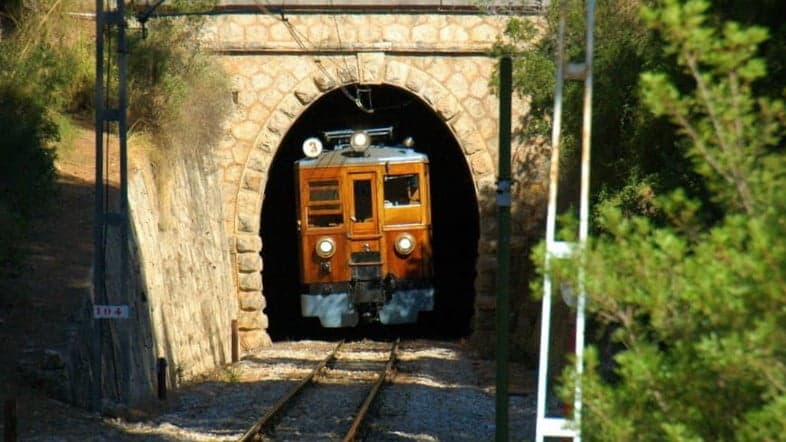
Soller Train
The historic journey from Palma.
View guide →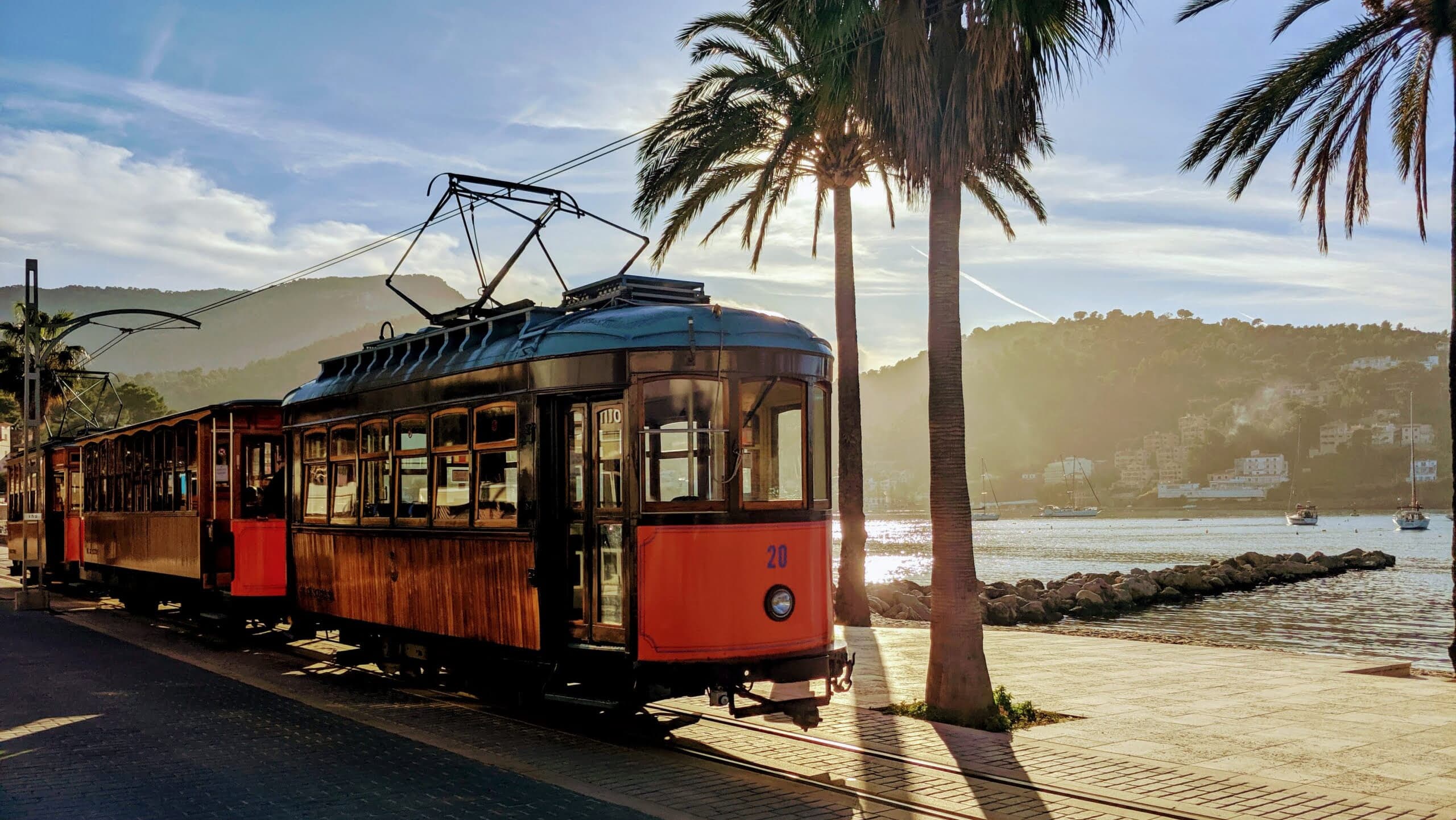
Sightseeing
Soller Tram
From the centre to the Port among orange trees.
View guide →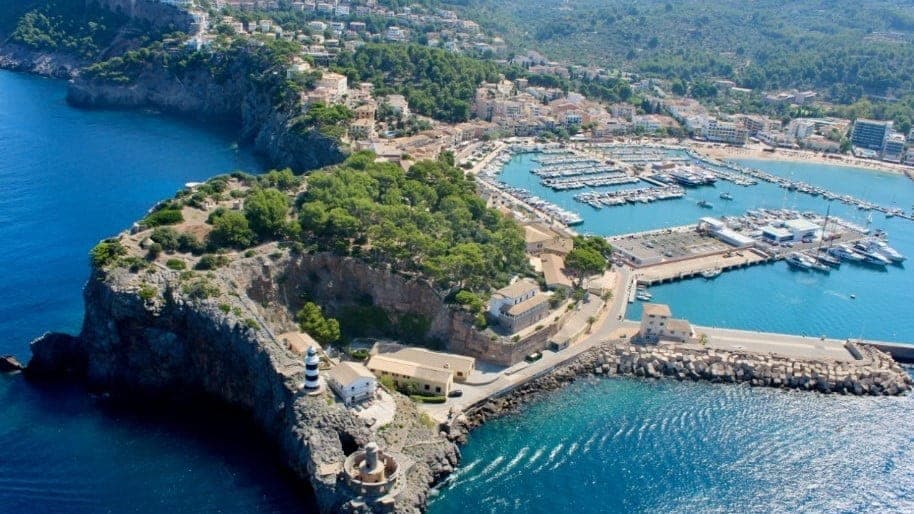
Destination
Port de Soller
Bay, lighthouses and seafront promenade.
View guide →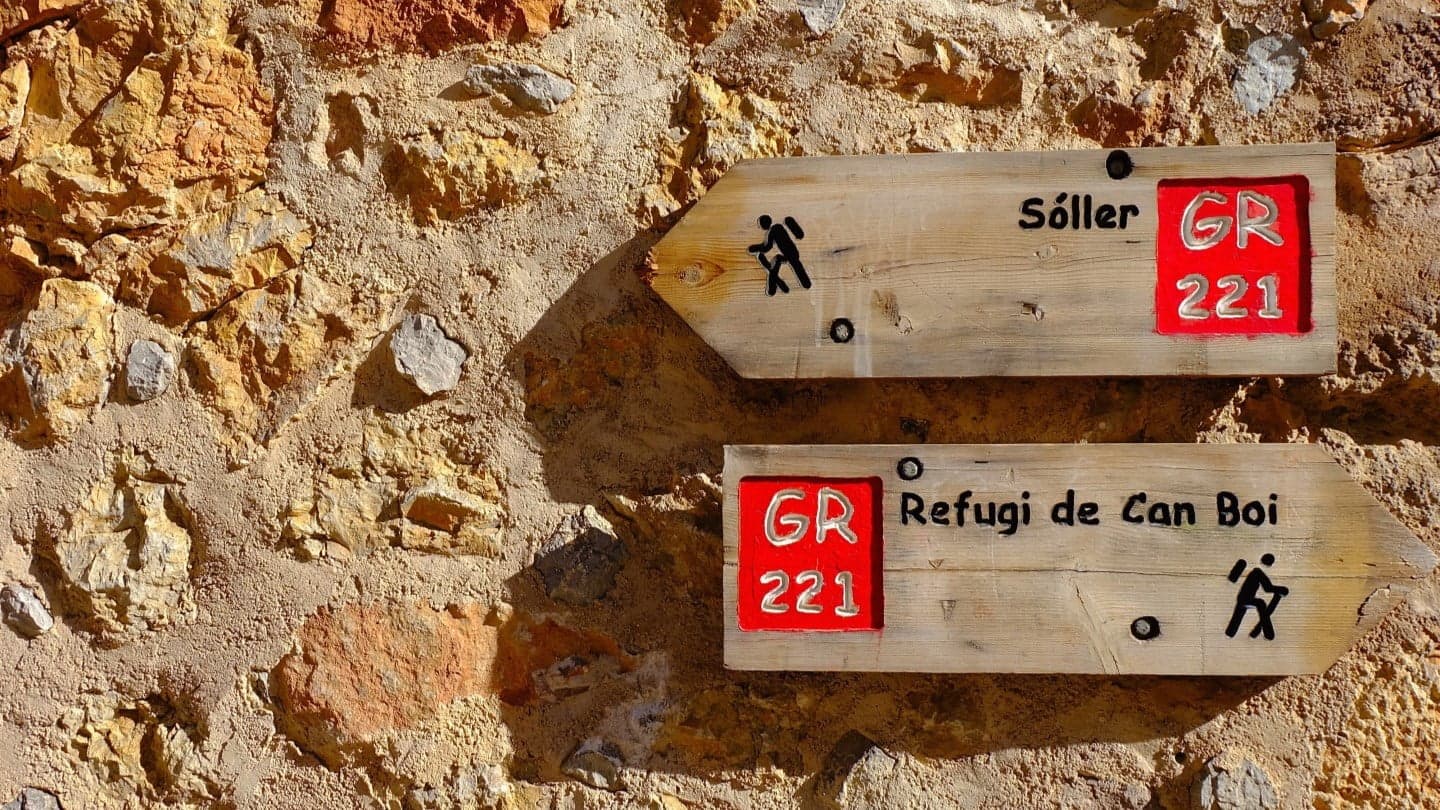
Sightseeing
Hiking in Soller
GR 221 and routes through the Tramuntana.
View guide →