
Soller Oranges and Local Produce
The Soller Valley is famous for its oranges and mandarins, and the island also offers Tramuntana olive oil, sobrasada and ensaimada. This guide explains each product, when it is in season, where to buy it and what you can pack in your luggage.
- Canoneta orange
- Feb - Mar (approx.)
- Orange Fair
- April
- Where to buy
- Cooperative and market
- Star product
- Oranges
Quick summary
- The orange is the valley's emblem. The best-known local variety is the Canoneta, a juice orange harvested around February and March.
- Fet a Soller is a private company that markets valley oranges and registered the 'Canoneta' trademark. The Sant Bartomeu Cooperative is the valley's farming cooperative.
- The Fira de la Taronja (Orange Fair) takes place in April on Plaça de sa Constitució (the 2025 edition ran from 5 to 13 April).
- Other island products are easy to find: Mallorcan olive oil, sobrasada, ensaimada, cheese, wine and Mallorcan herbal liqueur.
- Check the rules of your destination before packing fruit, cured meat or cheese, especially if you fly outside the EU.
Updated: 1 November 2026
Soller oranges
Soller is known as the "Golden Valley" for its citrus groves, planted in terraces at the foot of the Serra de Tramuntana. Besides oranges you will find mandarins and lemons. Varieties grown include the Canoneta, Navelina and Valencia.
In 2016 the Sant Bartomeu Cooperative began a campaign to win Protected Geographical Indication (PGI) status for Soller oranges; press reports from 2021 expected registration in 2022. Check the product label for the current status.
The valley's output is limited and part of it is exported, so the surest way to eat a real Soller orange is to buy it locally.
Canoneta, the local orange
The Canoneta is the variety most tied to the valley and is used mainly for juice. Accounts of its origin differ: one places it around 1900 on a Soller farm (Can Canonet), while others describe it as the result of centuries of local selection. That is why we give no firm date.
According to recent local press, the harvest falls in late winter (February and March, approx.). Outside those weeks you will find other varieties.
Fet a Soller and the Sant Bartomeu Cooperative
The two names are often confused:
- Fet a Soller is a private company that markets the valley's citrus. It registered the "Canoneta" trademark in 2018, according to Ultima Hora.
- Sant Bartomeu Cooperative (Cooperativa Agrícola de Sóller) groups the valley's farmers, runs its own shop and takes part in the Orange Fair with its citrus variety exhibition and the Mercat de la Taronja.
If you search for "fet a soller", you probably want to know where to buy the oranges or juice. The most direct options are the Cooperative's shop and the market stalls. Ask before you go where Fet a Soller currently sells.
History: from orchards to the French trade
Sources agree that the citrus trade with France was crucial for the valley. Because the mountains cut Soller off from the rest of the island, the fruit left by sea from Port de Soller for ports in southern France. The export boom is placed in the 19th century, although some sources date it to the 18th century and others link it to French exiles. Details vary by author.
That link helps explain why the valley built its own railway, the Soller train, and a tram to the port. Competition from other regions later reduced exports.
Fira de la Taronja (Orange Fair)
This is the yearly citrus festival. The 2025 edition (the 19th) ran from 5 to 13 April, opening on Plaça de sa Constitució. The first Saturday included:
- The Sant Bartomeu Cooperative's exhibition of citrus varieties.
- The Mercat de la Taronja, selling citrus products.
- Family workshops, a guided visit to the orange orchards and evening music.
- Restaurants serving citrus dishes at a reduced price (3 euros a dish in 2025).
Dates change every year: check the programme with the town council before planning your trip.
Other local and Mallorcan products
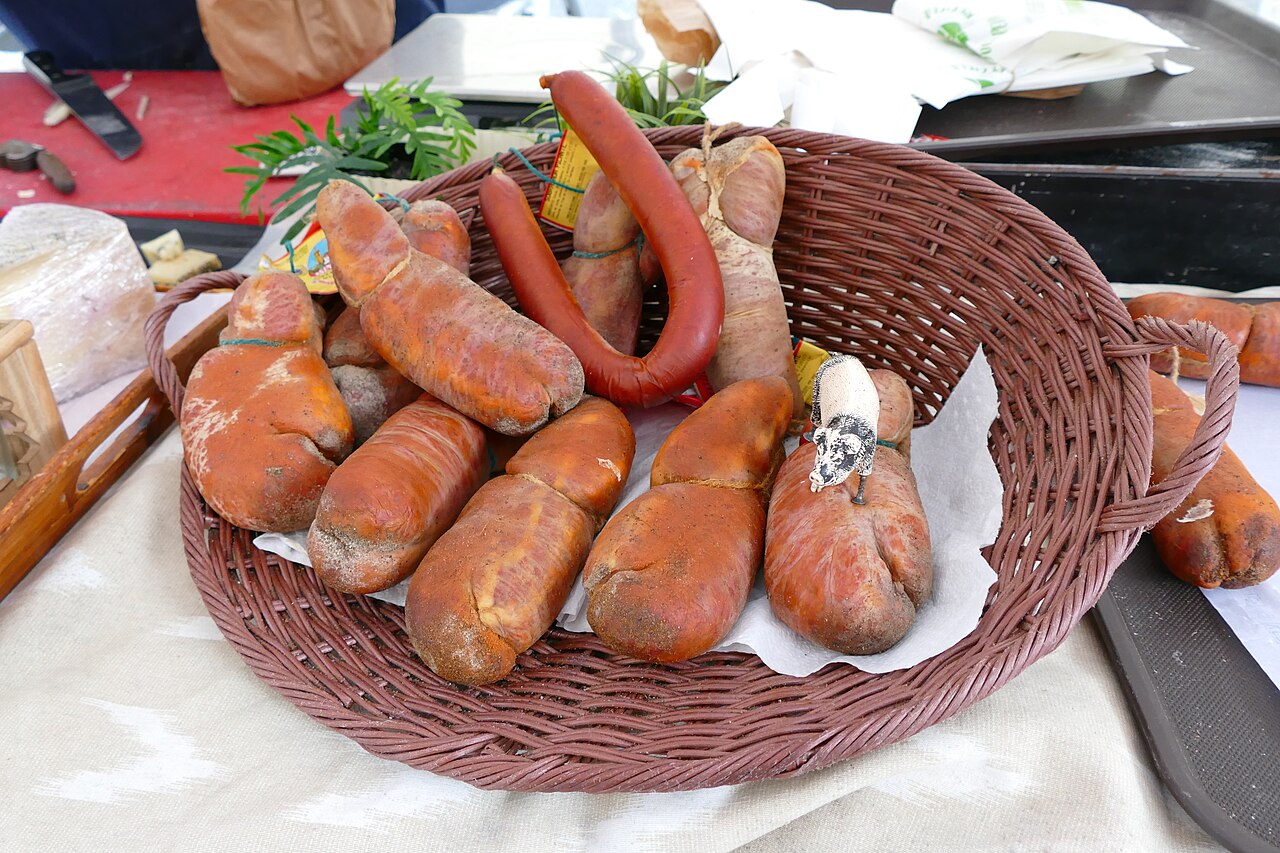
Photo: Kritzolina, Wikimedia Commons, CC BY-SA 4.0.
- Olive oil: the Tramuntana has terraced olive groves. The designation of origin is Oli de Mallorca.
- Sobrasada: a soft, spreadable pork sausage with paprika, with PGI status as Sobrasada de Mallorca.
- Ensaimada: a spiral sweet pastry made with lard, with PGI Ensaïmada de Mallorca; sold in round boxes that travel well.
- Cheese: sheep and goat cheeses from the island.
- Wine: Mallorca has two designations, Binissalem and Pla i Llevant.
- Mallorcan herbal liqueur (hierbas): an aniseed liqueur with herbs, sweet or dry, a common souvenir.
- Orange and lemon ice cream: found in the ice cream shops around the square; see where to eat in Soller for more.
- Red prawn: a seafood product tied to the port; see the Port de Soller restaurants.
Seasonal calendar
| Product | When (approx.) | Note |
|---|---|---|
| Canoneta orange | February - March | Juice variety; varies by year |
| Other oranges and mandarins | Winter and early spring | Depends on variety |
| Orange Fair | April | Dates vary |
| New olive oil | Late autumn - winter | Depends on harvest |
| Sobrasada, ensaimada, cheese, liqueur | All year | Processed products |
These are rough ranges: each year's weather brings the harvest forward or pushes it back.
Where to buy
- Sant Bartomeu agricultural cooperative: according to the mallorca.com directory, it is at Ctra. de Fornalutx 8 and sells local fruit, vegetables, olive oil, wine, bread, cheese, olives, jams, sweets and soaps. There is parking at the door. Call ahead to check opening hours.
- Saturday market and Municipal Market: fruit, cheese and local produce. Details are in the Soller market guide.
- Shops in the town centre and the port: packaged products for gifts.
What to take home
- Oil, wine and liqueur: pack them well in checked luggage. In hand luggage, liquids over 100 ml do not pass security.
- Ensaimada and sweets: they travel well in their box.
- Sobrasada and cheese: rules depend on your destination. If you fly outside the EU (for example to the UK), check the import rules for meat and dairy first, as they may be restricted.
- Fresh fruit: same advice; check the customs and plant health rules of your destination.
Rules differ by country: check the official customs website of your destination before you fly.
Frequently asked questions about Soller oranges and local produce
When is orange season in Soller?
The Canoneta harvest is around February and March; other varieties cover winter and early spring. It varies every year.
What is Fet a Soller?
A company that markets the valley's citrus and registered the 'Canoneta' trademark in 2018. It is not the same as the Sant Bartomeu Cooperative.
What is the Canoneta orange?
The best-known local variety, used mainly for juice. Sources tell the story of its origin in different ways.
When is the Orange Fair?
In April. The 2025 edition ran from 5 to 13 April. Check the dates for the current year with the town council.
Where can I buy Soller oranges?
At the Cooperative shop, the Saturday market and local shops. See the market guide.
Do Soller oranges have protected status?
The Sant Bartomeu Cooperative has pushed for a PGI since 2016 and registration was expected in 2022. Check the label for the current status.
Can I fly home with oranges, sobrasada or cheese?
It depends on your destination. Outside the EU, check the restrictions on fruit, meat and dairy before you fly.
Can I take olive oil or liqueur in hand luggage?
Not if the container is over 100 ml. Pack it in checked luggage, well protected.
What is the best food souvenir?
Mallorcan olive oil, ensaimada, herbal liqueur or the Cooperative's orange products.
Keep exploring
Food and drink
Where to eat in Soller
Dishes and restaurants in town.
View guide →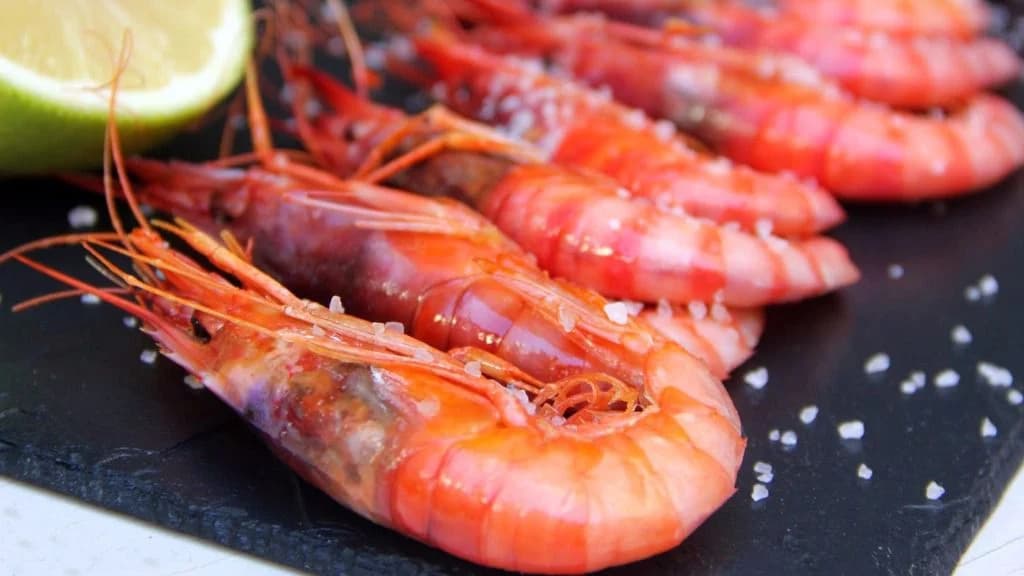
Food and drink
Port de Soller restaurants
Fish and seafood by the sea.
View guide →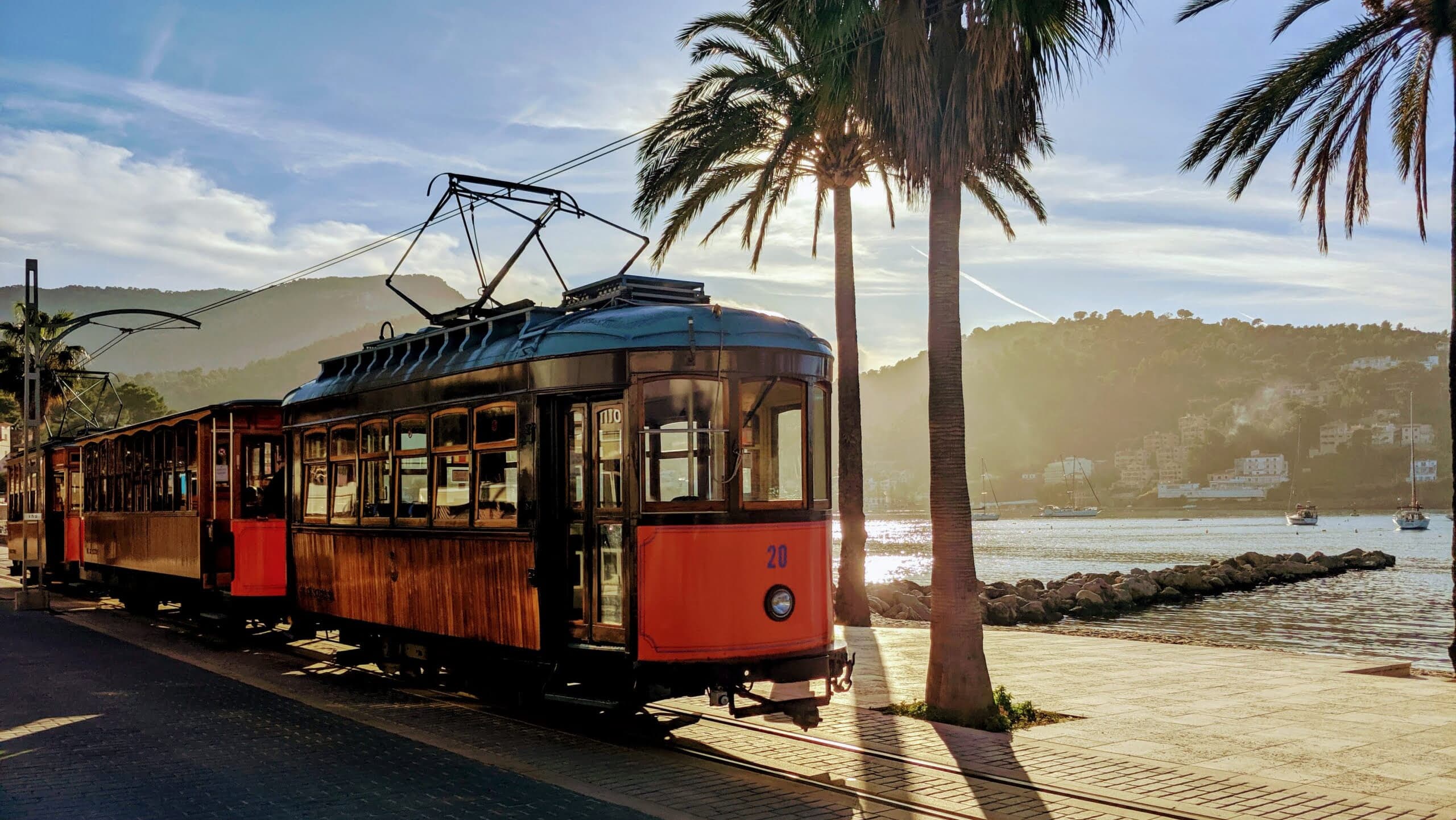
Sightseeing
Soller Tram
From town to the port among orange trees.
View guide →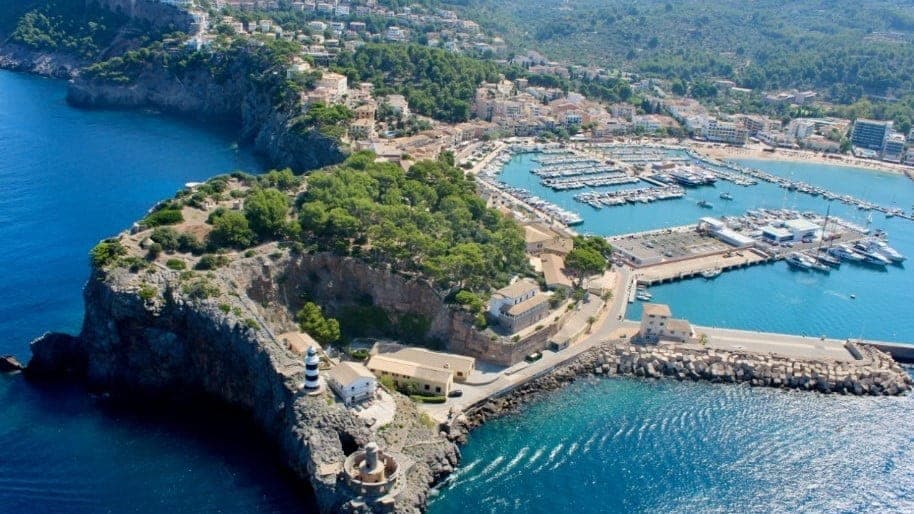
Destination
Port de Soller
The bay, the promenade and the lighthouses.
View guide →