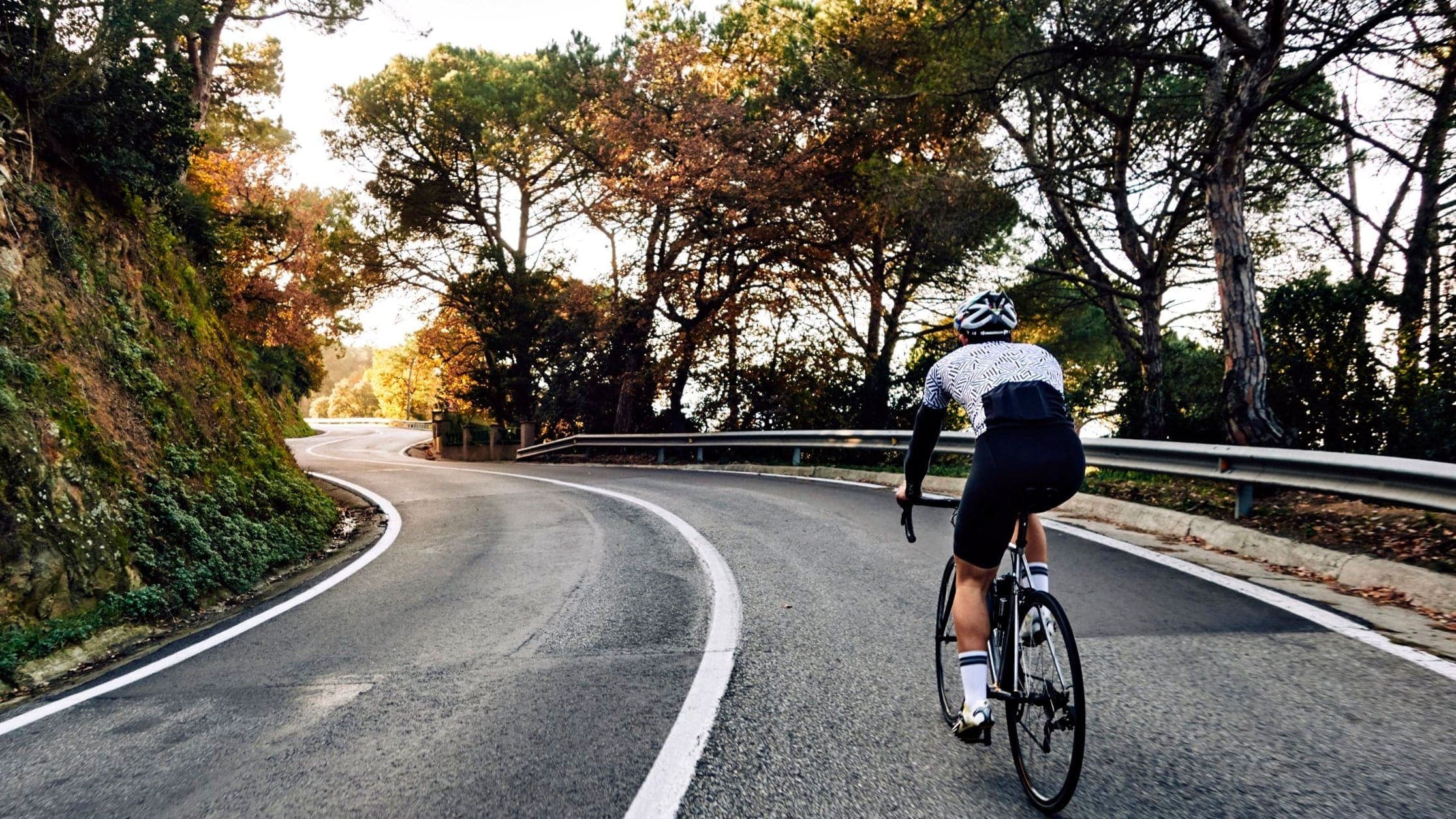
Cycling in Soller
Soller is a classic base for road cyclists in Mallorca: the Coll de Soller, Puig Major and Sa Calobra all start from the valley. Facts on each climb, bike hire, season and current rules.
- Coll de Soller
- ≈ 7.5 km
- Puig Major
- ≈ 14.5 km
- Sa Calobra
- ≈ 9.4 km
- Helmet
- Mandatory
Quick summary
- The Coll de Soller is about 7.5 km with roughly 420 m of climbing on the old road (Ma-11A), with many hairpins; bikes cannot use the tunnel.
- The Puig Major climb on the Ma-10 is about 14.5 km, with about 855 to 864 m of ascent and an average near 6 %.
- The Sa Calobra climb is about 9.4 to 10 km at an average of around 7 %, depending on the source.
- From 1 October 2026 helmets are mandatory without exceptions on interurban roads (Real Decreto 518/2026).
- Spring is the main season for road cycling in Mallorca.
Updated: 1 November 2026
Coll de Soller on the old road (Ma-11A)
This is the closest climb to town. Cyclists cannot use the Ma-11 tunnel, so they take the old road, the Ma-11A: according to Epic Road Rides you turn sharp left just before the tunnel.
- Length and ascent: about 7.5 to 7.8 km with roughly 420 m from the Soller side. Figures vary with the start point: Climbfinder gives 7.5 km and 327 m from the Bunyola side, and SeeMallorca measures a 5.8 km section with 304 m.
- Summit: about 497 to 498 m above sea level.
- Hairpins: most are between km 3 and 7 from Soller; Climbfinder counts 25 from the Bunyola side.
Puig Major on the Ma-10
The climb from Soller to the Puig Major tunnel on the Ma-10 is about 14.3 to 14.6 km depending on the source, with 855 to 864 m of ascent and an average gradient of 5.9 to 6.1 %. Climbfinder puts the summit at 868 m and SeeMallorca gives 14.5 km, 855 m and 5.9 %.
It is a long, steady climb rather than a brutal one. The Ma-10 carries car and bus traffic in summer, so start early.
Sa Calobra
The Sa Calobra climb is about 9.4 km at an average of around 7 % according to Road Cycling UK; other sources give 9.5 to 10 km and 6.8 to 7.1 %. The maximum gradient quoted ranges from about 11 to 13 %. It is famous for its tight hairpins.
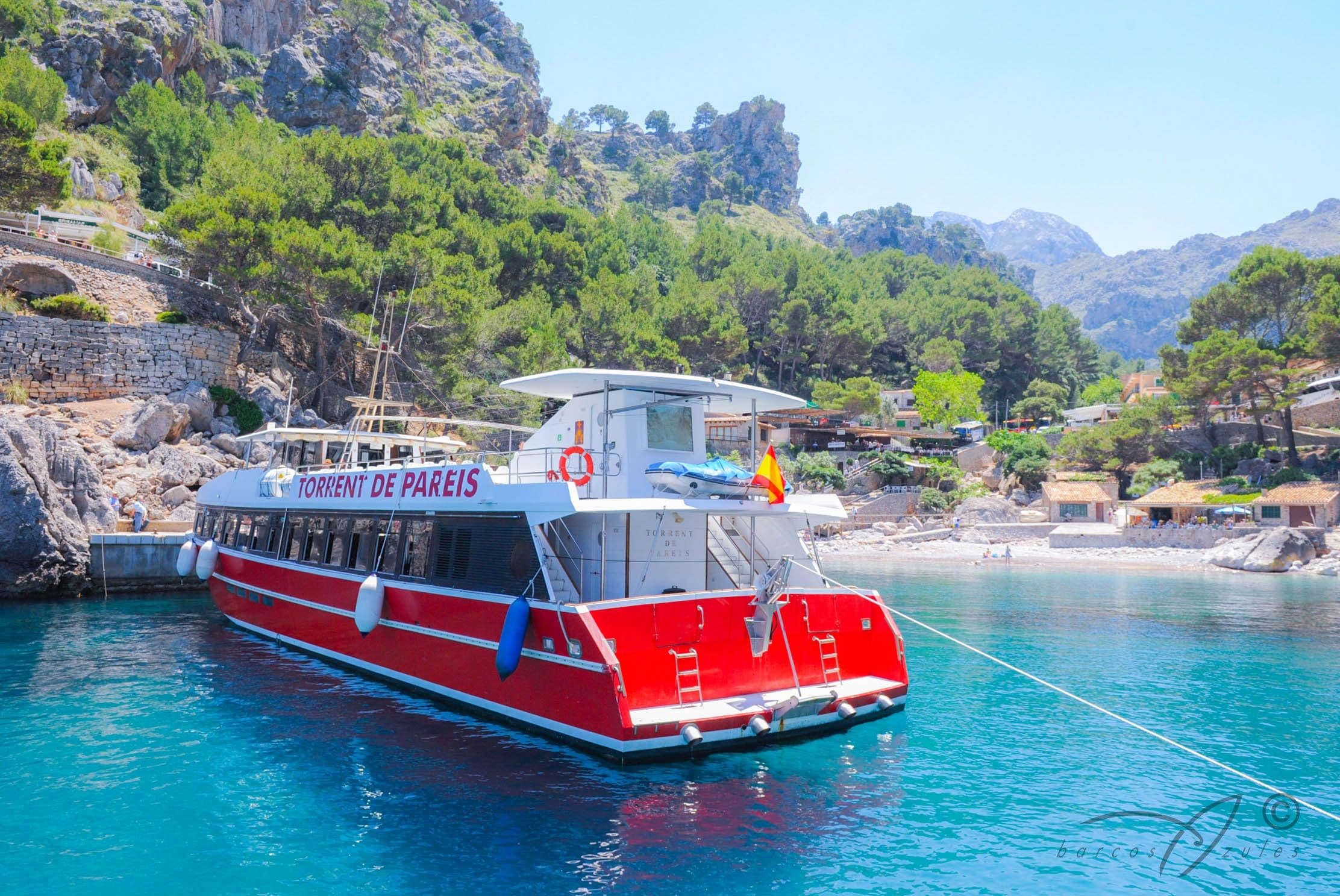
From Port de Soller, SeeMallorca describes an outward ride of about 75 km with almost 2,000 m of climbing, over Puig Major and the Coll dels Reis, with the last 2 km the hardest. In summer the road is busy with buses and hire cars. SeeMallorca mentions you can return by boat with your bike; confirm this with the boat company before planning.
Coast to Deia and Valldemossa
SeeMallorca describes two coastal rides from Port de Soller:
- Out and back to Cala Deia: passes through Deia and Llucalcari and reaches a maximum altitude of about 225 m. A good half-day with a swim stop.
- Valldemossa loop: follows the coast through Deia and Valldemossa and returns over three passes: Coll de Can Bleda (4.0 km, 204 m, 5.1 %), Sa Pedrissa (6.2 km, 273 m, 6.2 %) and the Coll de Soller (5.8 km, 304 m, 5.2 % for that section).
Climbs at a glance
| Climb | Length | Ascent | Average gradient |
|---|---|---|---|
| Coll de Soller (Ma-11A) | 7.5 to 7.8 km | ≈ 420 m | 5 to 6 % |
| Puig Major (Ma-10) | 14.3 to 14.6 km | 855 to 864 m | 5.9 to 6.1 % |
| Sa Calobra | 9.4 to 10 km | ≈ 640 to 710 m | 6.8 to 7.1 % |
| Sa Pedrissa | 6.2 km | 273 m | 6.2 % |
Figures come from cycling and route sites and differ with start and end points; use them as a guide.
Bike hire and shops
Tramuntana Tours has a shop in Soller (Carrer de sa Lluna 72) and a second point in Port de Soller where you can also return the bike, according to SeeMallorca. Its road bike hire includes helmet, pump, spare tube kit and locks. Mountain, electric and children's bikes are also available in the Port.
Prices and availability change by season: confirm with the shop. Bikini Island & Mountain hotel offers hire to its guests; check whether it serves non-guests.
Mountain and electric bikes
Mountain and electric bikes are also available to hire in the Port. Before leaving the tarmac, ask the shop about permitted tracks and follow the signage. For walking paths see hiking in Soller.
Season and best time
- Spring: the main season for road cycling in Mallorca; the roads fill with groups.
- Summer: heat and more traffic on the Ma-10; start early and check heat warnings.
- Autumn: good temperatures and fewer people.
Check the forecast in the weather in Soller.
Safety and traffic rules (2026)
From 1 October 2026 Real Decreto 518/2026 of 24 June (BOE-A-2026-13889) applies. It amends the General Traffic Regulation and affects tourists and hire cyclists too:
- Helmet: mandatory on interurban roads, without the previous exemptions; under-16s wear one on all roads.
- Overtaking: cars must leave at least 1.5 m of lateral clearance when passing a cyclist.
Sources: BOE and DGT. The Ma-11 tunnel is closed to bikes.
Cafe stops
For a stop in town or the Port after the climb, see our guide to bars and cafes in Soller.
Frequently asked questions about cycling in Soller
How long is the Coll de Soller?
About 7.5 to 7.8 km on the old road (Ma-11A), with roughly 420 m of climbing according to Epic Road Rides. It varies with the start point.
Can bikes use the Soller tunnel?
No. Cyclists take the old Ma-11A road.
How long is the Puig Major climb from Soller?
About 14.3 to 14.6 km with 855 to 864 m of ascent, according to Climbfinder, Rouleur and SeeMallorca.
How hard is Sa Calobra?
About 9.4 to 10 km at an average of around 7 %. It is long, with tight hairpins.
Where can I hire a road bike?
Tramuntana Tours has a shop in Soller and a point in the Port. Confirm availability and price.
When is the best season?
Spring is the main season; autumn is also a good option.
Is a helmet mandatory?
From 1 October 2026, yes, on interurban roads, without the previous exemptions. Under-16s wear one on all roads.
How much room must cars give me?
At least 1.5 m of lateral clearance when passing a cyclist.